Posts

Showing posts with the label Financial Management notes

Human Resource Management (HRM) - Revision Notes
Image
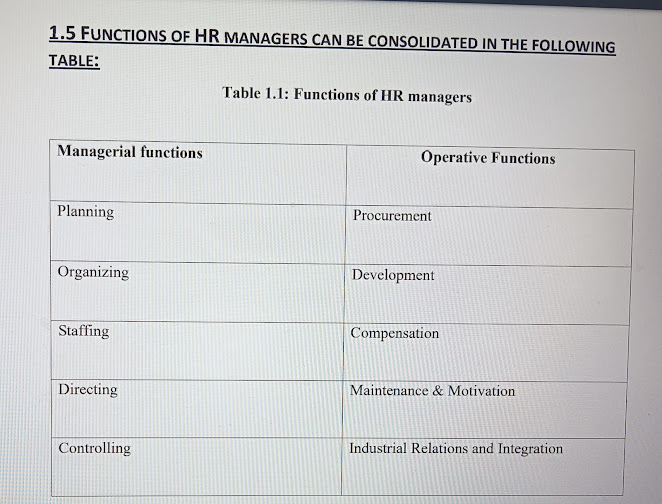
  1. Introduction to Human Resource Management (HRM) Human Resource is one of the most crucial resources in an organization. HR helps create competitive advantages in the market. Managing HR is challenging as it is the only resource capable of reasoning, questioning decisions, and allocating tasks. Each employee brings a unique personality, set of needs, and ambitions, making HR management critical. 1.1 Defining Human Resource Management (HRM) • Pande and Basak: HRM is a strategic and coherent approach to managing an organization’s most valuable asset—its people. • Armstrong: HRM is a strategic approach to managing people who are crucial for achieving organizational goals. • Dessler: HRM involves acquiring, training, appraising, compensating employees, and addressing labor relations, health, safety, and fairness. • Glueck: HRM focuses on the effective use of people to achieve both organizational and individual goals. 1.2 Features of HRM • Appreciating Asset: H...

FINANCIAL managment explain hindi/english

  1.0 Introduction Financial Management एक ऐसा विषय है जो academic और practical, दोनों क्षेत्रों में बहुत महत्वपूर्ण है। Academics के लिए ये interesting इसलिए है क्योंकि ये विषय evolving है और अभी भी कई topics पर disagreement है। Practitioners के लिए ये इसलिए important है क्योंकि financial decisions किसी भी business के सबसे critical decisions होते हैं। Financial management से practitioners को theoretical और logical आधार मिलता है जो उन्हें बेहतर decisions लेने में मदद करता है। 1.1 Scope of Finance हर organisation के तीन महत्वपूर्ण हिस्से होते हैं : Production ( उत्पादन ) Obtaining Capital ( पूंजी जुटाना ) Selling Products/Services ( उत्पादों या सेवाओं को बेचना ) Finance activity का मतलब है : पूंजी जुटाना। उस पूंजी को ऐसी जगह लगाना जहां से returns ( लाभ ) मिले। Assets: Tangible Assets : जैसे मशीन...

Financial Management Ch-1 Short Notes

  1.0 INTRODUCTION Importance: Financial management is crucial both in academics (due to its evolving nature) and for practitioners (as it aids in making significant business decisions). Purpose: Provides theoretical and logical frameworks for effective financial decisions. 1.1 SCOPE OF FINANCE Key Aspects: Production: Using capital to produce goods/services. Obtaining Capital: Acquiring funds through stocks, bonds, loans, or retained earnings. Selling Products/Services: Using funds to market and generate returns. Assets: Tangible Assets: Physical items (e.g., machinery, land). Intangible Assets: Non-physical items (e.g., patents, know-how). Capital Raising & Investments: Financial Securities: Stocks, bonds, debentures for raising capital. Borrowing: Loans from banks and financial institutions. Investment: Allocating funds to ac...